

Thursday, May 23, 2013

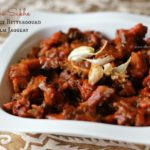
Sabudana Khichdi (Savoury Tapioca Pearls) ~ Maharashtrian Style Breakfast

The best breakfasts in my opinion are those that are hearty, spicy and complete (read BIG). I am a complete breakfast person and knowing that it is one thing that greatly determines my mood for the rest of the day, I make every effort to ensure that my family & I enjoy a good breakfast. 

While I stick to Indian breakfasts, I do enjoy continental spreads and try to replicate them partially at home whenever time permits. Breakfasts don't need to be complex for me in terms of the process - they just need to be hearty and delicious. 


Today's recipe is a very popular Maharashtrian breakfast recipe that doubles up as a recipe for fasting (vrat). Hindus who maintain religious fasts especially once a week or during special festive seasons tend to prepare Sabudana/Sago/Tapioca pearls in this form. Not only is it devoid of grains which is avoided during fasts, it is a great source of carbohydrates to keep the body functional even when the main grain sources of carb (rice & wheat) is missing. Sago is essentially the pith of the Sago palm, a powdery starch that is processed into globules or pearls. In India Sago is used in the preparation of sweet & savoury dishes, the most famous being the Sago kheer (thin pudding), Sabudana vada (fritters) and Sabudana Khichdi (savoury upma)


I prepared this dish for breakfast when my mum was with me and she thoroughly enjoyed it. She had never tasted it before and really liked the blend of flavours. 


About the dish
A classic balance of salty-spicy-sweet & tangy made interesting with a bit of crunch brought in by roasted peanuts (optional) and yummy potatoes. Some recipes use turmeric that gives this dish a beautiful yellow hue, but I skipped it. You may add finely chopped coriander if you wish (which I ran out of when I prepared this). I hope you enjoy this as much as I did!

Sabudana Khichdi
(Printable Recipe)
Prep time: 15mins + overnight (soaking time) + Cook time: 10mins | Serves 2-3 

You need 
  • 1 cup sabudana / sago / tapioca pearls
  • 1/2 cup unsalted raw peanuts 
  • 1 medium sized potato boiled, skinned & cubed (approx 3/4th cup)
  • 1/2 teaspoon mustard
  • 1/2 teaspoon cumin
  • 1 sprig (7-8) curry leaves / kadipatta
  • 1 small green chilly sliced
  • 2 teaspoons sugar
  • 1 tablespoon oil
  • juice of 1/2 a small lime (adjust to taste)
  • salt to taste
Method
1. Wash the sago in 2-3 changes of water and soak it overnight. Next morning, discard the water and place the sago on a sieve or fine slotted colander so that the excess water drains away. Keep aside till required.
2. Roast the peanuts on a non stick tawa/pan for a minute or two until the skins have slightly browned - do not burn it. Remove onto a plate and once cooled, rub them between the palm of your hands to remove the skin. (You may keep the skin on if you like). Lightly crush the peanuts using a mortar or pestle or if you desire pulse them 2-3 times in a dry grinding jar of a mixer so you get the texture of broken rice. Do not over blend as they will turn into a sticky paste.
3. Heat the oil in a wide based non stick pan/kadhai and add the mustard and cumin seeds. When they stop spluttering, reduce the flame add the curry leaves, green chilly and fry lightly for a few seconds. Add the sugar, salt and stir until the sugar granules have dissolved.
4. Add the boiled and cubed potato and mix well, add in the sago and cook on a low flame for 4-5 minutes stirring every now & then. The colour of the sago will change from white to translucent. Do a quick taste check and extra add salt or sugar if required.
5. Sprinkle the lime juice and mix once. Turn off the flame and serve hot garnished with lime wedges.

Notes:
Always use freshly packaged sago. Usually two varieties of sago are available, you may use either of them although the smaller variety requires lesser amount of soaking time.
There needs to be a fine balance between the salt & sugar so please adjust both according to your taste.

Monday, May 20, 2013

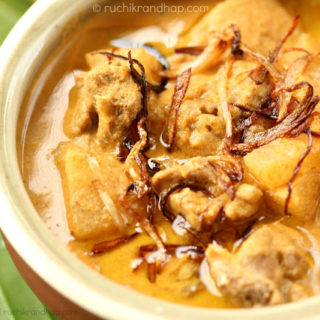
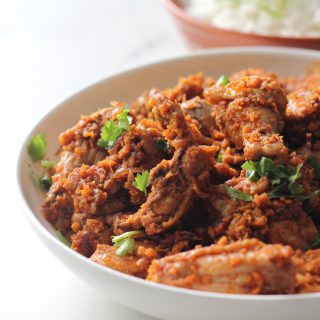
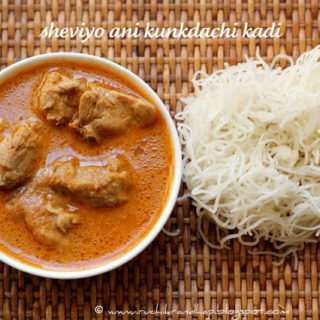
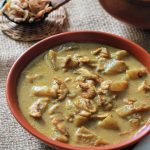
Peshawar Style Chicken Curry

Today is one of those Sundays that hasn't been particularly fantastic. Or relaxing. Or interesting. Or worthwhile. Apart from some great news that came in the morning - my nephew and his wife welcomed their first baby into the world today (which now officially makes me a grandma), nothing much happened. So I won't bore you with mundane stories of how my day rolled by. I greatly believe in jinxes - this recipe may well be shelved if I don't post it right away. Not only has it been sitting in my drafts for ages, the editing of the second picture has happened 5 times over a period of 1 week and each time my work didn't get saved for some reason or the other. So before I ruin it one more time - here's today's recipe.


I have never been to Peshawar nor have I tasted this dish anywhere, so I cannot vouch for its authenticity. 

A simple and yummy curry to accompany your rotis - I am sure you will enjoy it as it is pretty simple to make. Found the recipe on a little book with easy Indian recipes - unfortunately I can't recollect the name of the book. The original recipe calls for mutton, I simply tried my luck with chicken and it was great. I'll provide the credits asap. Till then, go make it & tell me how you liked it!


Peshawar Style Chicken Curry
(Printable Recipe)
Prep time: 15mins | Cook time: 25 mins | Servings 4

You Need
  • 1 kg chicken
  • 4 cardamom pods bruised
  • 4 cloves
  • 1" stick of cassia bark or cinnamon
  • 2 bay leaves
  • 1 large onion finely chopped
  • 2 teaspoons ginger paste
  • 2 teaspoons garlic paste
  • 1 tablespoon tomato puree *see notes
  • 1 teaspoon turmeric powder
  • 1 teaspoon coriander powder
  • 1 teaspoon cumin powder
  • 1 teaspoon red chilli powder (adjust to taste) * see notes
  • 1/2 cup thick curds (yogurt)
  • 2 teaspoons gram flour /chickpea flour (besan) (substitute with cornflour/cornstarch)
  • 1/2 cup of water
  • 1 tablespoon fresh mint leaves chopped
  • 2 tablespoons fresh coriander leaves chopped
  • 3 tablespoons ghee or oil
  • salt to taste
Method
1. Cut the chicken into medium sized pieces, wash and allow to drain on a colander.
2. Heat the ghee or oil in a large heavy based or wide non stick pan and toss in the cinnamon, cardamom, cloves and bay leaves and let them sizzle over a low heat. Add in the chicken and let it fry for about 2-3 minutes or until both the sides are lightly browned. Take care to see that the pieces don't stick to the bottom of the pan.
3. Add the chopped onions, ginger & garlic paste, salt to taste, mix well and allow to cook on a medium flame for about 5-6 minutes. Add the tomato puree, turmeric, coriander & cumin powders and cook for another 4-5 minutes.
4. In a small bowl whisk together the curds, chilli powder and gram flour into a lump free smooth mixture and add this to the chicken. Add the water, cover the pan and simmer for about 10-12 minutes, stirring in between. Check salt and adjust if required and cook till the chicken is done.
5. Garnish with chopped mint & coriander leaves (add this to the chicken half a minute before you remove it from the fire). Serve hot with rice or chapathis or any Indian bread.

Notes:
1. If you are using very sour curds, skip the tomato puree. You may use store bought tomato puree which is thicker than fresh homemade puree.
2. For a less spicy curry you may use 1/2 teaspoon of red chilli powder - if you are using the spicy variety, otherwise 1 teaspoon of kashmiri chilli powder is good to go.

Tuesday, May 14, 2013

Easy Cheesy Macaroni ~ Kiddie Meal - Treats for Tiny Tots


They say that being a parent is ridden with challenges. I guess the worst challenge in that case is to feed a fussy child. I cannot even begin to describe how painful mealtimes are at my place. My son who ate just about anything till he cut his 3rd birthday cake has now transformed himself into someone who can raise anyone's blood pressure. The term 'picky eater' in reality has a million different meanings. From eating like a bird (picking (not eating) just 4 grains per hour) to complete refusal to eat - I have dealt with a child who displays a range of excuses of how not to eat & drive mommy crazy!


My mum says that feeding me when I was his age was hardly an issue. It was a piece of cake (I wonder if she fed me just that - haha!). But then I tell her that God stopped making people like me long ago! Jokes apart, my son's pediatrician says that today's kids are not without a mind of their own. They want to eat what they want to eat! I was asked not to force him to eat what I cooked especially when he was ill and asked me to prepare whatever he liked the best. Woe is me! I have been reduced to doing just that - every single day! Ill or not, I find myself making what I think he will finish in less than an hour and I don't have to suffer through the trauma of coaxing, cajoling & yelling during mealtime. 

My aunt assured me that by the time my son turns 7 he would be a changed boy. She better be right! Or else!! 

Sigh! Anyways, here's one of those recipes which saves my sanity when I want to bang my head against the wall. Thanks to my friend Veda for brainstorming the idea/ingredients with me. Hope this recipe helps all you moms out there who are in the same boat as I am.


About the dish
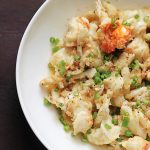
Pasta with white sauce is preferred by most kids. Make it in a jiffy and watch your lil one devour it in one go (hopefully!). The goodness of cheese makes for a filling, nutritious & lip smacking meal

Easy Cheesy Macaroni
(Printable Recipe)
Prep time: 8-10 mins | Cook time: 5 mins | Serves 1

You Need:
  • 1/2 cup dried macaroni (or any pasta of your choice)
  • 1/2 a small onion finely chopped
  • 1 big clove of garlic finely chopped or grated
  • 2-3 tablespoons of pre boiled, shredded chicken or 4-5 mushrooms quartered
  • 1/3 cup warm milk
  • 1 teaspoon all purpose flour (maida)
  • 1/8th cup (or 2 triangles) cheddar cheese (I used Kraft cheese) (use as much as you wish)
  • freshly ground pepper to taste (1/4 teaspoon or just a sprinkling will do for kids aged 3 and above)
  • 1/2 tablespoon butter or olive oil
  • 2 slivers of sun dried tomatoes (optional)
  • 1/4 teaspoon oregano or thyme (or any dried herbs)
  • No salt required as the cheese has plenty of it!
Method
Boil 2-1/2 cups of water and add the macaroni to it. Add a pinch of salt and 2-3 drops of oil and cook for about 7 minutes or as per the instructions on the packet. The pasta should be al dente (90% cooked or else it will break). Strain & gently refresh with cold water and allow to drain. Add a couple of drops of oil so that the pasta doesn't stick to each other.

In a small bowl make a smooth lump free paste of the flour and warm milk.

Heat butter or oil in a non stick pan and fry the chopped onions till pale. Toss in the chopped garlic and fry for a couple of seconds. Add the shredded chicken & sun dried tomatoes and fry for half a minute. Add the grated cheese and stir until melted.

Add the flour and milk paste, reduce the flame and quickly stir to avoid lumps. Toss in the ground pepper, oregano and mix well. Do not overcook - the sauce should have a creamy consistency.
Add the pasta and mix gently. Serve immediately

Notes:
If you are making this for toddlers under 3 years, use onions, garlic & pepper as per the level of spice tolerance. Skip any one or all the aforesaid ingredients and replace with extra cheese.

Thursday, May 9, 2013

Lime & Poppy Seed Muffins

For all my readers who love baking as much as I do, here's a lovely lovely recipe for you. 

Lime & poppy seeds are omnipresent in every Indian kitchen and I totally love baking with readily available ingredients. Usually when I am in the mood to bake I am always looking for instant gratification. I am talking about times when I just get this sudden urge to bake and I just want to leave whatever I am doing and find myself in the kitchen pulling out all my baking gadgets. 


During such times I prefer digging out recipes that either make no use of eggs (although I prefer eating cakes with eggs than without) and those that don't need butter - its not very easy finding unsalted butter in Bombay. It's almost always Amul salted butter that gets shoved in your face or a poor quality baking butter (actually margarine) that is offered by the grocery-wala. 


Anyway, this was one of my de-stressing activity that I indulged in recently and totally loved the outcome the next day - yes, I hid away a few for the sake of the photoshoot which usually never happens in the evenings. The flavour and aroma of these muffins had matured overnight and they tasted so wonderful. There is so much that lime can do to uplift your mood isn't it? It was my first time that I was using lime as the main flavour of a cake and I thoroughly enjoyed the subtle notes it lent to the muffin.

The zesty limes just about balance the sweetness of these muffins and the poppy seeds impart a great texture that makes you want bite after bite of this simple cake. The cupcakes may seem slightly hard on the surface but they will taste awesome anyways.


These muffins are so cheerful in terms of appearance & taste that you will want to bake them over & over again. They make perfect tea time accompaniments. I hope you enjoy them as much as I did. If you can help it, hide some for the next day and notice how the taste has gone up a whole new level!


Lime & Poppy Seed Muffins
(Printable Recipe)
Prep time: 10 mins | Baking time: 25 mins | Makes 12-15 medium sized muffins

You Need
  • 175 grams  (3/4th cup) sunflower oil (or any odourless vegetable oil)
  • 225 grams (1-3/4th cup) plain flour (maida)
  • 200 grams (1 cup) granulated sugar, powdered * see notes
  • 1 teaspoon baking powder
  • 1/2 teaspoon salt
  • 1 large egg
  • 1 large egg white
  • 150ml milk
  • 1 tablespoon lime juice
  • 1 tablespoon lime zest (grated)
  • 2 teaspoons poppy seeds (khus khus)
Topping
  • 2 teaspoons lime zest (grated rind)
  • 1-2 teaspoons poppy seeds (preferably black coloured ones for a more dramatic look)
Method:
1. Line a 12-cup muffin pan with cupcake liners. Preheat the oven to 190 degrees C/375 degrees F.
2. Sift the flour, baking powder and salt a couple of times into a mixing bowl. Add the caster sugar and stir.
3. In a separate bowl, whisk the egg, egg white, sunflower oil, milk, lime juice and grated lime rind (zest) and mix well. Add this mixture to the flour mixture and tip in the poppy seeds. Stir gently to incorporate. The mixture will be a little lumpy which is fine.
4. Spoon in the batter into the prepared muffin pan. Each cupcake liner should be filled 2/3rds full. Sprinkle the grated lime zest and poppy seeds to decorate and pop the pan into the preheated oven. Bake for 25 minutes or till the toothpick inserted comes out clean.
5. Remove and place on a wire rack to cool. Serve the muffins warm if desired. For best results, serve them after they have completely cooled down or after a few hours (or overnight) - the flavours would have set in beautifully.

Notes:
1. The recipe asked for 225 grams caster sugar, since I didn't have any, I measured 200 grams of regular granulated sugar (instead of 225 grams as I prefer cakes that are less sweet) and powdered it in the dry grinder.
2. You may use white or black poppy seeds - both are suitable, but the black one will add more beauty to the muffins.

Tuesday, May 7, 2013

Kaljiryaso Kasai (Herbal Kashayam / Decoction of Ironweed Seeds) ~ Mangalorea Post Natal Recipe # 1

Today's recipe is the first among the Mangalorean post natal recipe series and is probably the most unpleasant recipe on my blog. Unpleasant only in taste because it is a very bitter potion - a medicinal decoction (reduced tea) made with an unfamous herb. However the health benefits and goodness of nature is anything but unpleasant.

(Click to read introductory post!)


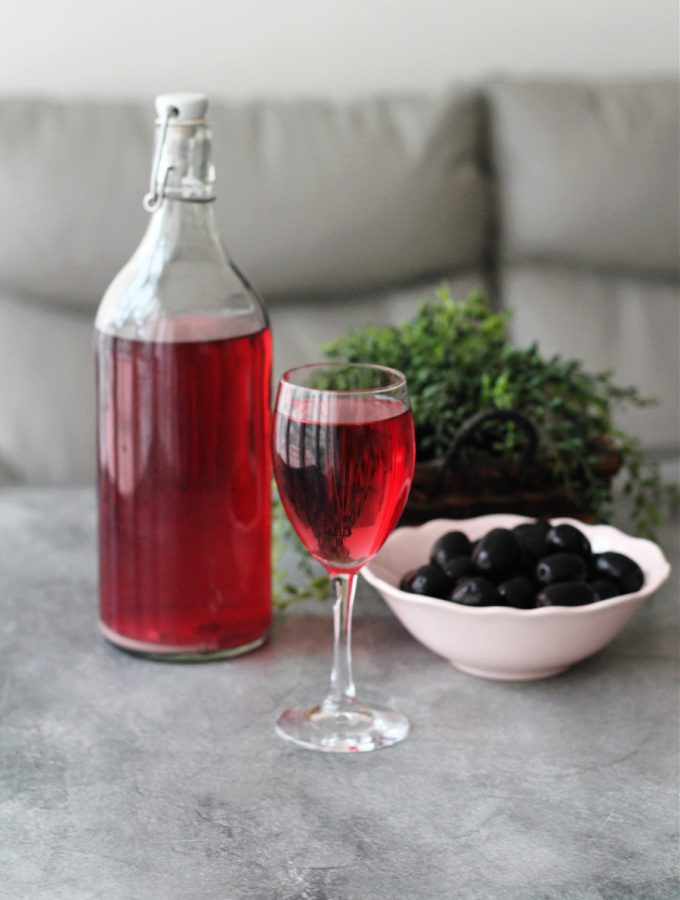
Kaljiryaso Kasai is a deadly black & bitter decoction. The first medicine that is served to the new mother after she arrives home from the hospital. It is usually drunk on an empty stomach, served early in the morning. The ritual consists of the decoction freshly brewed, cooled and served with a piece of palm jaggery (pele god / ole bella). The taste is so bitter that it can knock you off your senses if you let the brew linger in your mouth for too long. This is one reason why you are advised to gulp it in one go and quickly pop the jaggery into your mouth in order to negate the bitter taste. Not more than a quarter cup of this decoction is served on three consecutive days as it is believed to remove 'nanji' (a very versatile Mangalorean word that roughly sums up to 'allergy') and other post delivery related ailments that get nipped in the bud on consuming this medicine. 

While I totally detested this drink during my first delivery, this time around I was curious - so I did taste the brew a bit, made a face, drank some more and then when I felt that my brains would pop out I bit into the palm jaggery - thankfully at first and greedily after that (asking for seconds!)


Since neither my balnti posteli (live in ayah/nurse) nor my mum, MIL or close relatives knew the botanical name of Kaljire I had a tough job ahead of me. After hours (spread across days) of searching on the net I finally found a few pictures that told me that I was on the right path. Do note that Kalijiri is NOT to be confused with Kala-Jeera (black cumin which belongs to the cumin family)


Kaljire is also known as Kadu Jirigay in Kannada, Kattu Jirakam in Malayalam and Kali Jiri (KALI not KALA and JIRI not JEERA) in Hindi. In English it is known as Ironweed and looks a lot like cloves without the heads.
The botanical names and gyan is as below:

Some excerpts from the net:  
Centratherum anthelminticum (L.) KUNTZE (family: Asteraceae) is an erect, pubescent annual herb found widely in the Indian subcontinent which is locally known as “Somraj,” and its seeds are known as “Kalijiri” in Hindi [56]; scientific synonyms for this plant include Vernonia anthelmintica and Conyza anthelmintica, among others. This plant is used extensively in Ayurveda for the treatment of cough and diarrhoea, as well as an anthelmintic, stomachic, diuretic, and anti phlegmatic agent. (Read more). Click here to see how the plant looks like


I also requested my very good friend Anjum who is a certified nutritionist freelancing in Mumbai to help provide the nutritional benefits of this herb and here's what she has to say. Thanks Anjum for all your help! 

Nutritional Benefits of Kalijiri/Iron Weed 
By Anjum Shaikh,  Nutritionist, Andheri W, Mumbai

It is used as diet therapy for a series of medical issues like diabetes, renal problems as well as in treatment of cancer in some cases. Its also used for medicinal property in Ayurveda, Unani , Homeopathy and Sidha.
It is spermicidal, antiviral and antibacterial and hence useful in treating skin infections. Its also been found effective in treating thread worm infections in hospitals.

There are researches being carried on its health benefits even in USA and other parts of the world and has been found to be good in healing purpose. However, little is known about the calorific value contained in it. But it does contain some oils that have a range of health benefits mentioned above.

Nutritional Content of Kalijiri decoction:
Since its only 1 tablespoon of kalijiri, which is boiled and strained, this decoction has 0 calories and 0 proteins. This decoction had antiseptic and healing properties and no calories.


About & Disclaimer: 
The above mentioned information about Ironweed/ Kalijiri has been found after a lot of research on the internet done out of personal interest - I am not a medical practitioner. Use of one's own judgement before purchasing & preparing this decoction is advised. The nutritional information provided is to be used only as a reference and is not medical advice and hence this ayurvedic preparation should not be used as a substitute to prescribed medication.

Important:
  1. Purchase this ingredient only from renowned ayurvedic shops that have the license to sell medicinal herbs and ingredients. Ensure that packaging contains name of ingredients printed on it. When in doubt, do not purchase.
  2. If you have any medical condition/are undergoing treatment avoid having it or consult your doctor prior to consuming it.
Kaljiryaso Kasai / Kalijiri (Ironweed) Decoction
Prep time: Nil | Brewing time: 10-12 mins | Serves 1

You Need
  • 1 tablespoons of kaljeera / Ironweed
  • 2 cups of water
Method
1. In a pan bring two cups of water to a boil. Coarsely powder or pound the iron weed and add it to the boiling water and simmer until the liquid reduces to approximately one cup.
2. Remove from flame. Cool and consume - preferably on an empty stomach (early morning). Munch on a piece of palm jaggery to help negate the bitter taste. 
Related Posts Plugin for WordPress, Blogger...